Readable In Full Sun
High-brightness panels, measured in nits, with optical bonding and an anti-glare finish keep the picture legible in daylight. The brightness you need depends on the site, so tell us the lighting.
Your Specialists In
Screens for control rooms, vehicles and the plant floor.
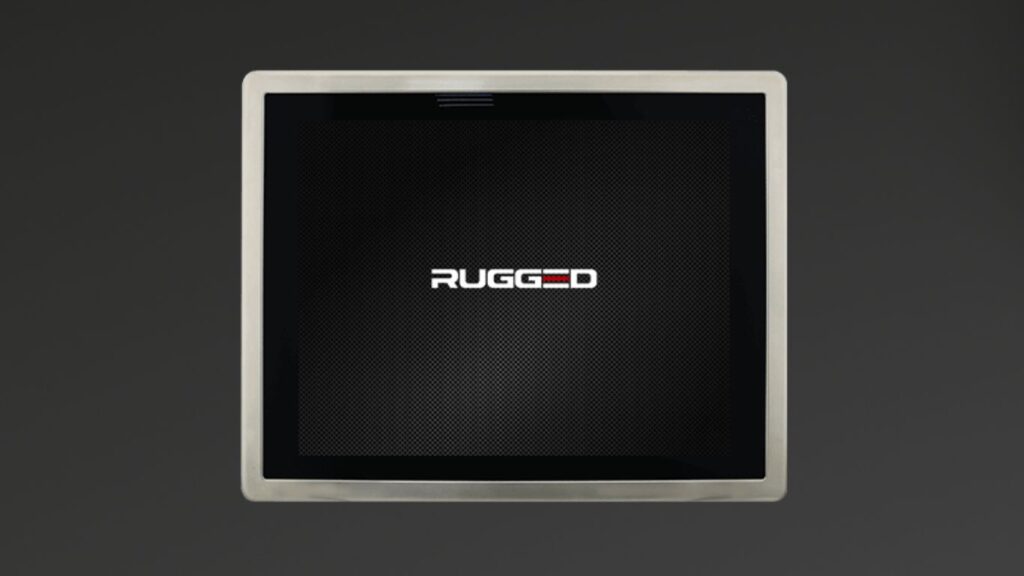
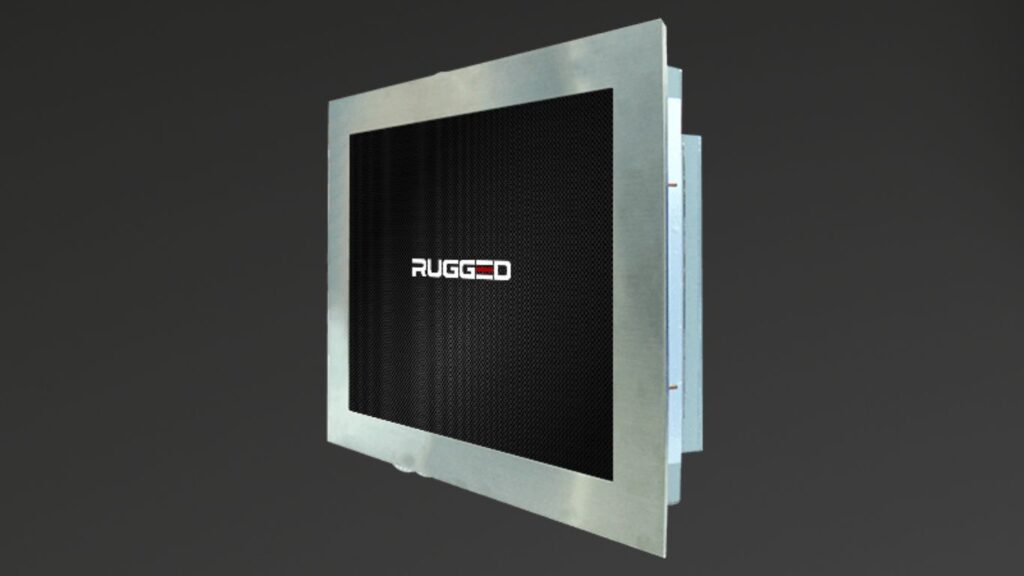
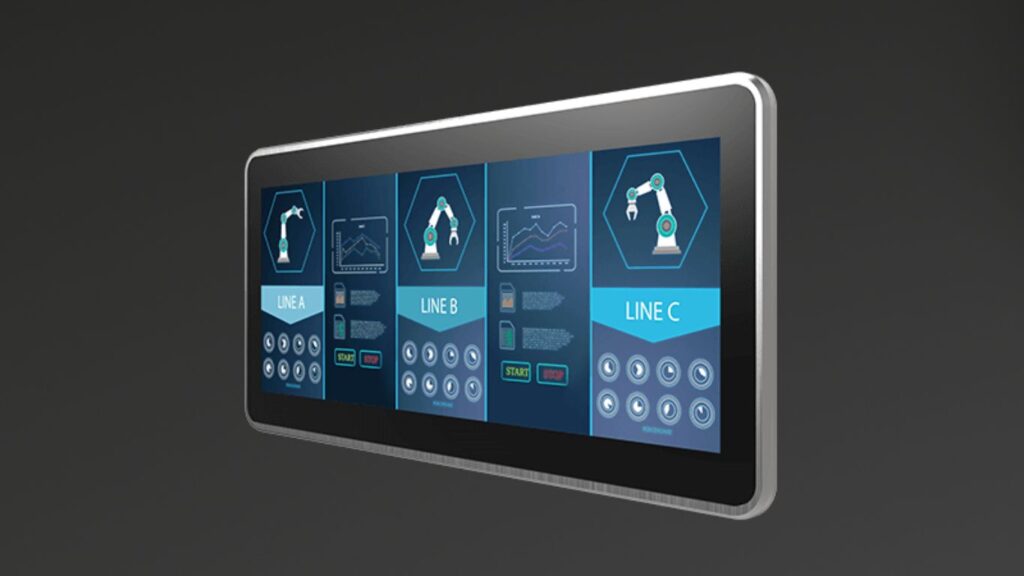
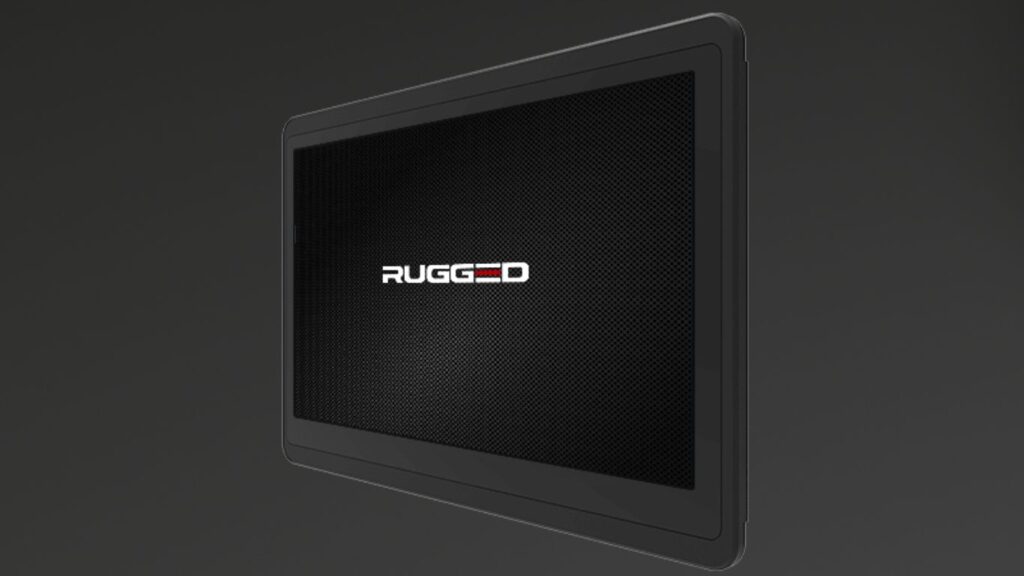
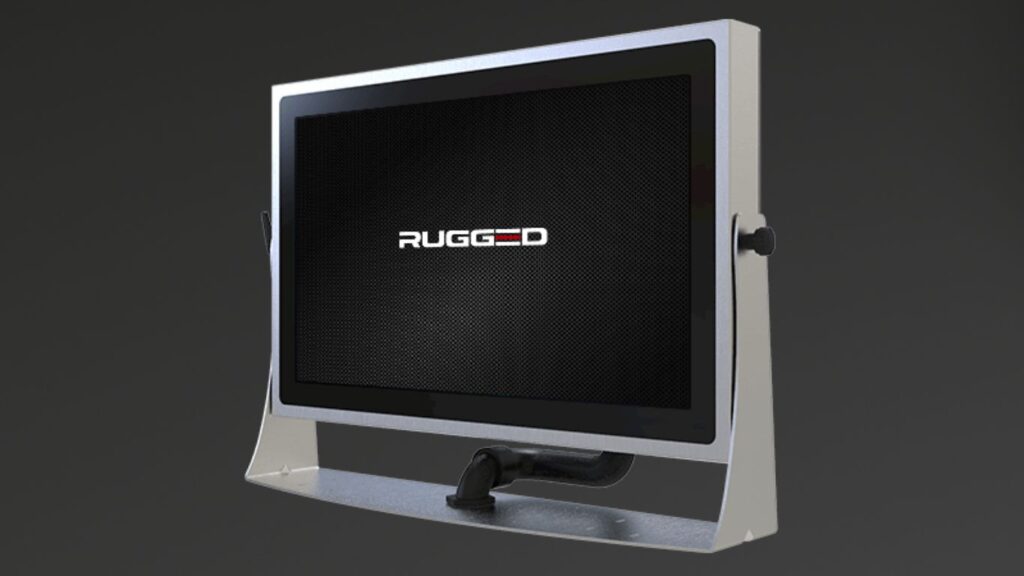
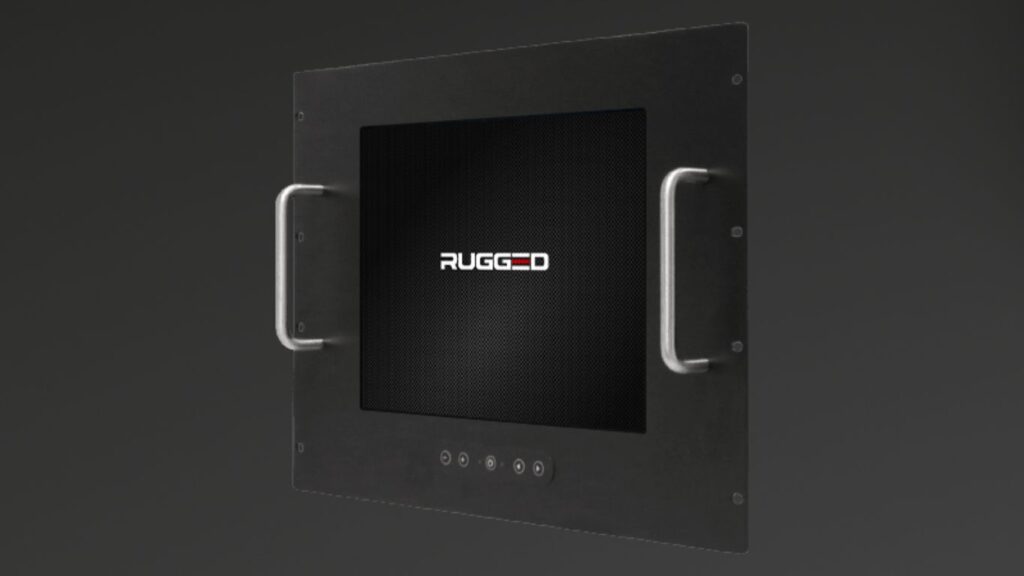
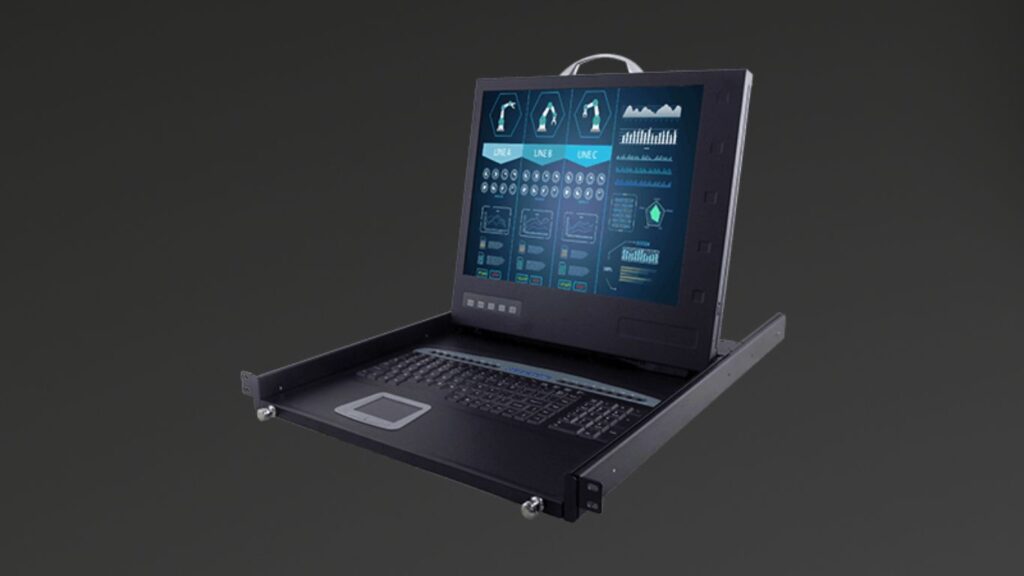
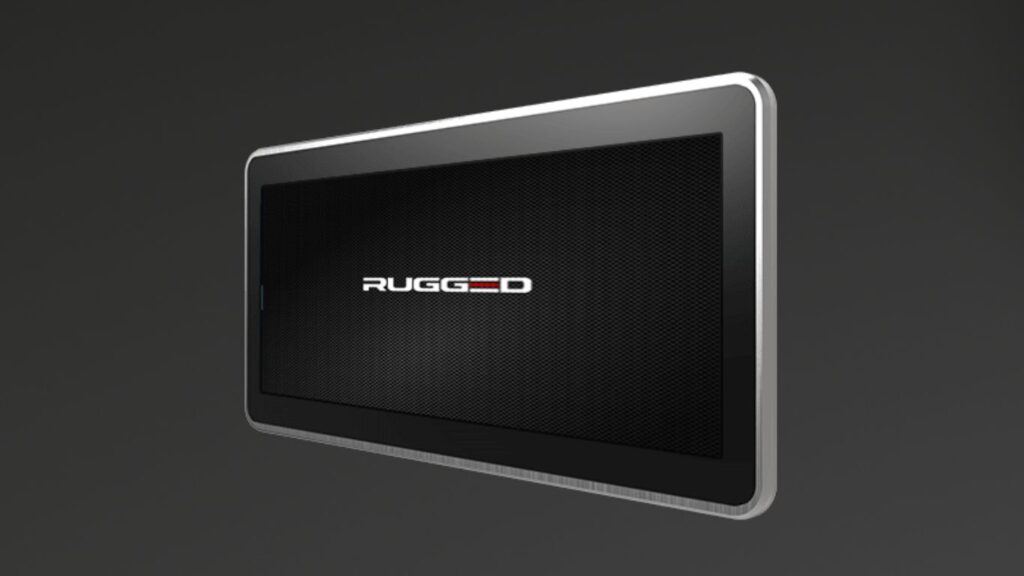
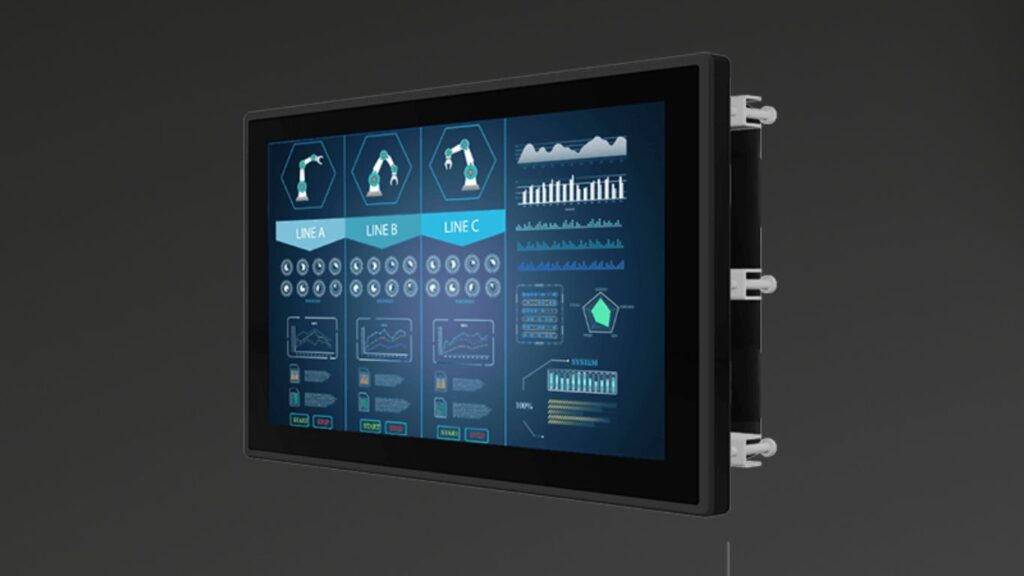
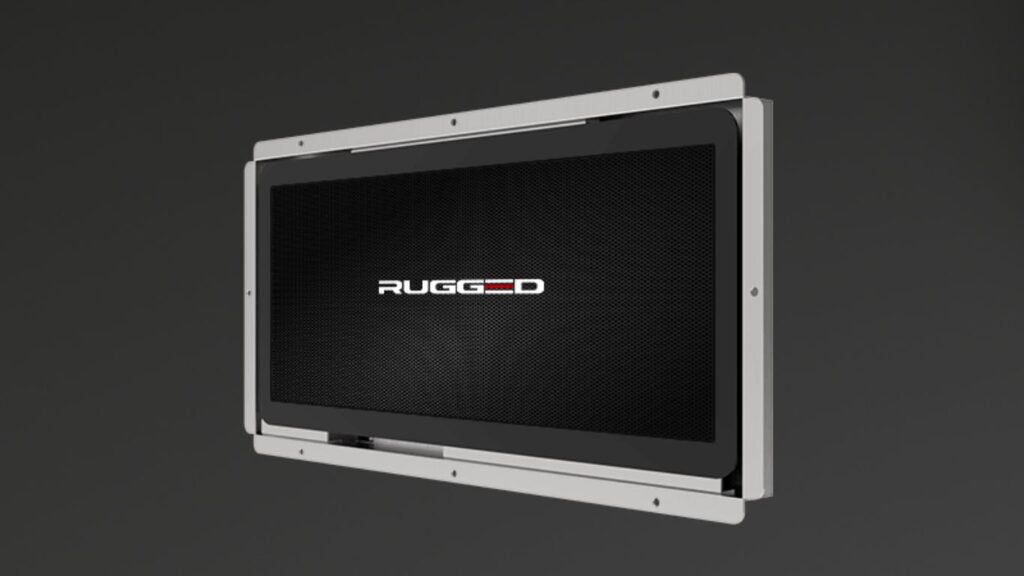
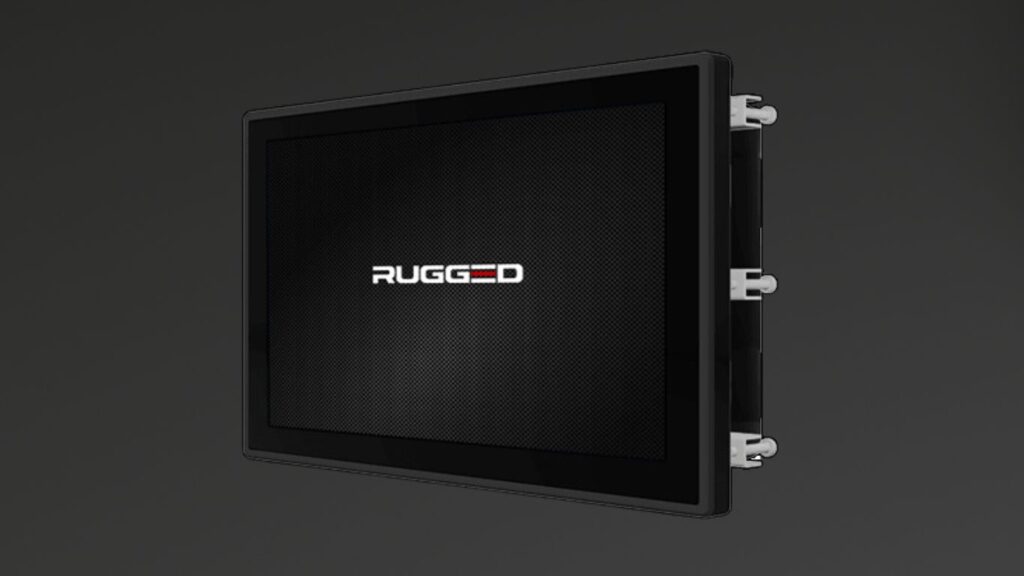
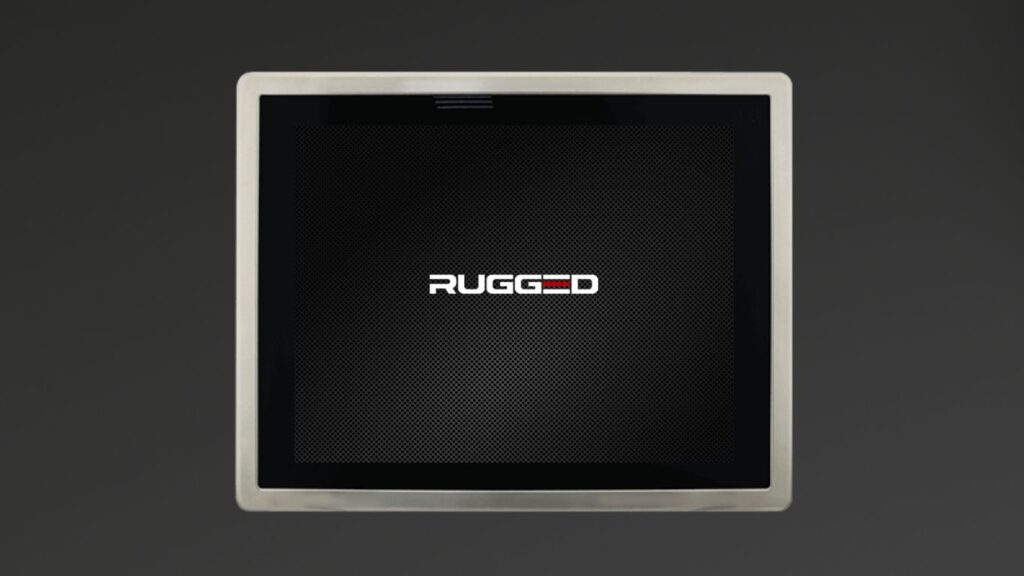





















A display used in a vehicle, factory, control room or outdoor site has to stay clear, readable and dependable in conditions a standard monitor was never built for. Dust, vibration, impact, rain, heat, cold and constant use can all shorten the life of ordinary screens. A rugged display uses a sealed enclosure, a hardened panel and sealed connectors to give operators a reliable view of data, video, controls and system information. Formats include stainless steel chassis displays, chassis-mount and open-frame units, with resistive or projected capacitive touch, sunlight-readable brightness and wide-voltage DC or universal AC input. Ingress ratings such as IP65 and IP67 describe the enclosure once it is correctly installed, and standard sealed displays are not certified for explosive atmospheres. The products featured here are a selection; we supply many more formats and options, so tell us what you need.
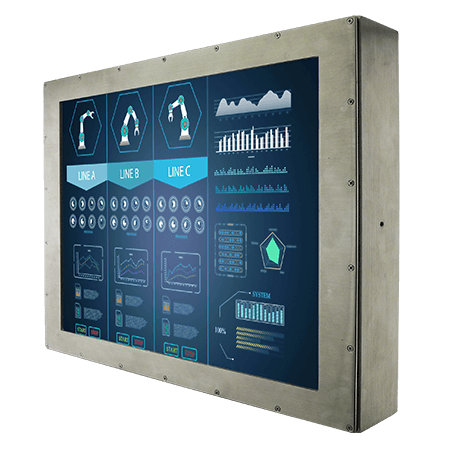
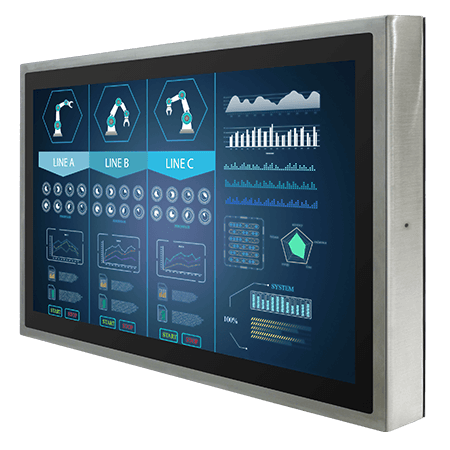
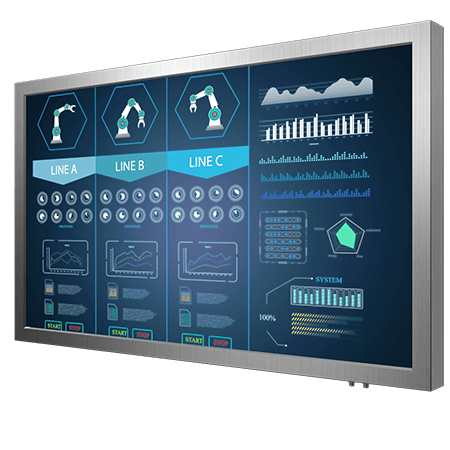
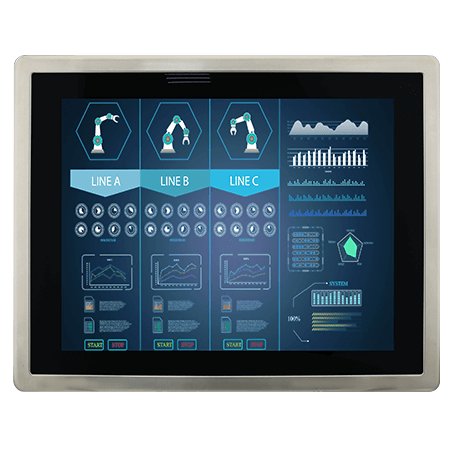
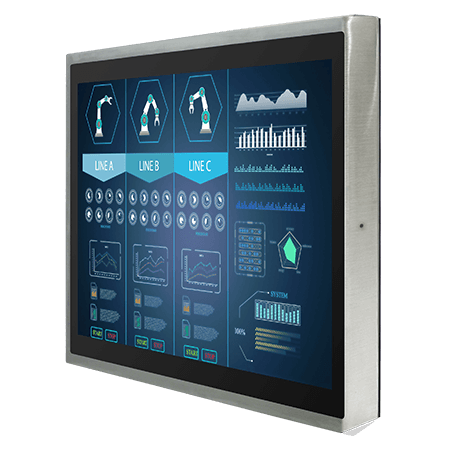
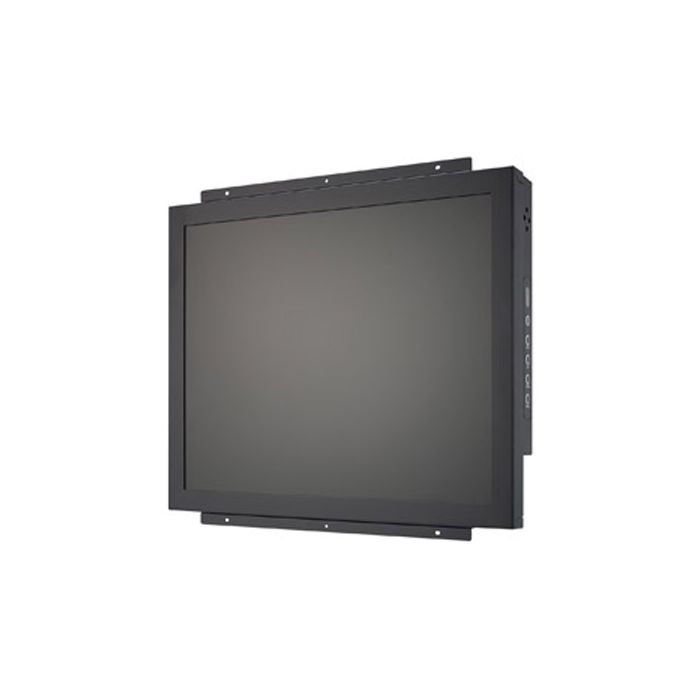
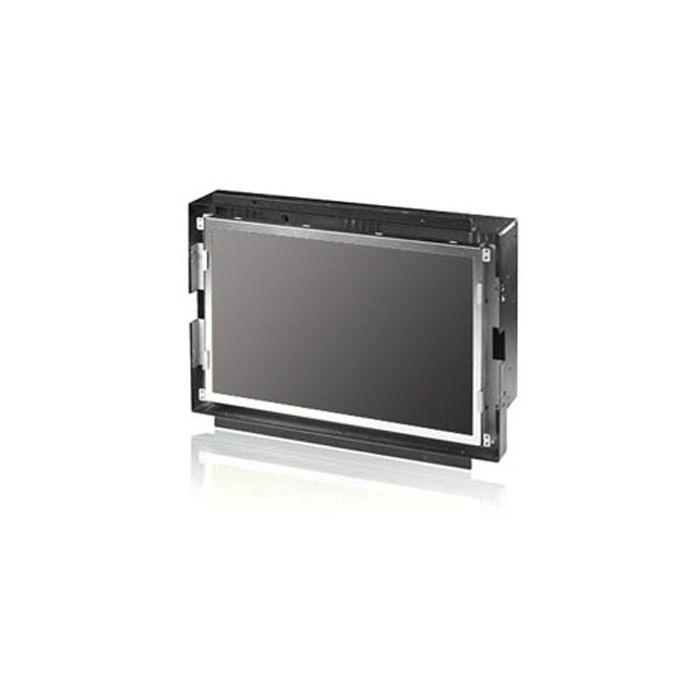
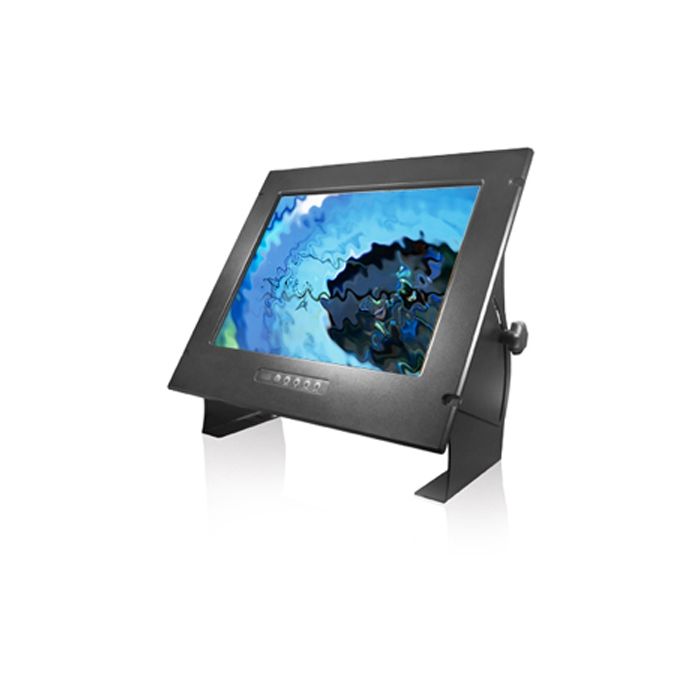
What matters when a screen has to stay readable and working where an office monitor would fail.
High-brightness panels, measured in nits, with optical bonding and an anti-glare finish keep the picture legible in daylight. The brightness you need depends on the site, so tell us the lighting.
Under IEC 60529, IP65 covers low-pressure water jets and IP66 powerful water jets, while IP67 covers temporary immersion (1 m for 30 minutes) and IP68 covers immersion under conditions the manufacturer states. Ratings apply once the display is correctly installed, and high-pressure, high-temperature washdown needs checking separately.
Resistive touch works with gloves and a stylus. Projected capacitive touch gives smooth multi-touch and works through water droplets, though glove performance varies by panel. Tell us how your operators work.
Standard sealed displays are not rated for explosive atmospheres. Where flammable gas, vapour or combustible dust may be present, you need a unit certified for the zone, under ATEX or UKEX in Great Britain and the EU. Tell us the zone, gas or dust group and temperature class.
Stainless steel resists salt air and many cleaning chemicals better than painted or plastic housings. Tell us the chemicals on site and we will check the material.
Operating temperature ranges vary widely between displays, so check the coldest and hottest the screen will see, from cold stores to hot cabs.
Moisture often attacks the connector first, so sealed waterproof circular connectors, such as M12, keep damp out of the video and touch signal path.
A wide DC input lets a display run from a vehicle or vessel supply without an inverter. Check the input voltage range against your supply.
Where rugged displays are used: factory machinery, marine consoles, hazardous process areas, defence vehicles, hygienic processing lines and utility sites. Each block describes the setting and what to check before you choose.
Factory floors combine dust, moisture, vibration and continuous use, all of which cloud or short out an ordinary monitor. Sealed chassis, open-frame and stainless panel displays give dependable visuals at machinery, HMI stations and control cabinets that are wiped down between shifts. Check the ingress rating against the way the area is cleaned.
Machine HMI and shop-floor interfacing
Control cabinet and enclosure integration
Robotics and automated system monitoring
Process control and SCADA access
Maintenance and diagnostics terminals
Quality control and inspection stations
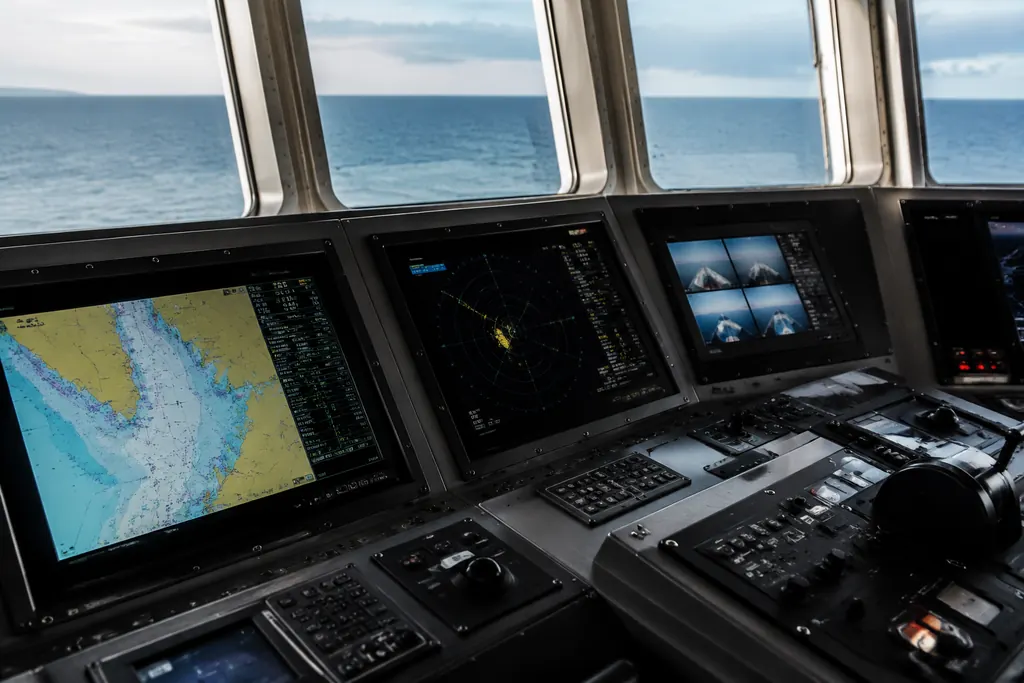
Salt spray, humidity and constant vibration corrode ordinary screens quickly. Corrosion-resistant, sealed displays hold a readable interface at bridge consoles, in engine rooms and on offshore platforms. IP65 and IP66 cover water jets, not immersion. If your vessel or project needs marine type approval, ask us.
Bridge and helm console displays
Engine room and machinery monitoring
Offshore platform operator terminals
Navigation and vessel management workstations
Deck and cargo handling systems
Port, terminal and dockside control stations
Explosive atmospheres demand equipment certified for the zone. Displays certified under ATEX, UKEX or IECEx, or to the North American Class I Division 2, exist for petrochemical, refining and upstream use, but standard sealed displays are not, and a Division approval alone does not cover a zone in Great Britain or the EU. Tell us the zone, gas group and temperature class and we will look at certified options.
ATEX and hazardous-area data capture
Refinery and process plant monitoring
Wellhead and upstream control terminals
Environmental monitoring and data logging
Health, safety and compliance inspections
Preventive and corrective maintenance

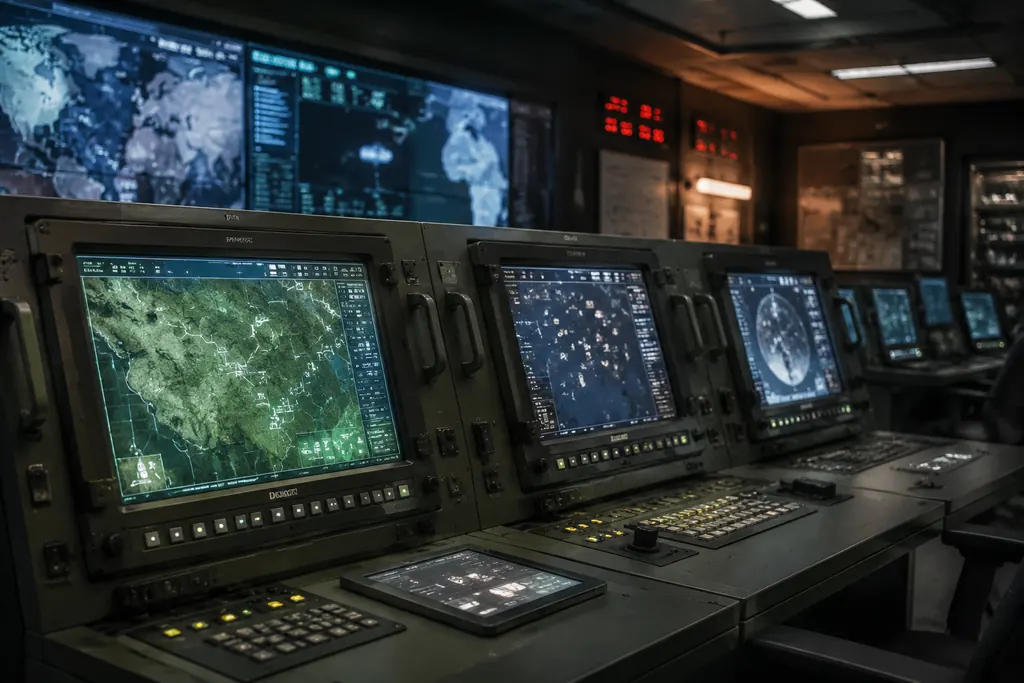
Defence deployments demand displays that survive shock, vibration and rough handling in the field. Some displays are tested to MIL-STD-810, which is a manufacturer statement and not a Rugged certification, so tell us the revision and evidence your specification needs and we will confirm it before you order.
Command-and-control workstations
Vehicle-mounted computing displays
Ground control station HMI
Aircraft cockpit and avionics support systems
Field data capture and reporting
Secure communications and command consoles
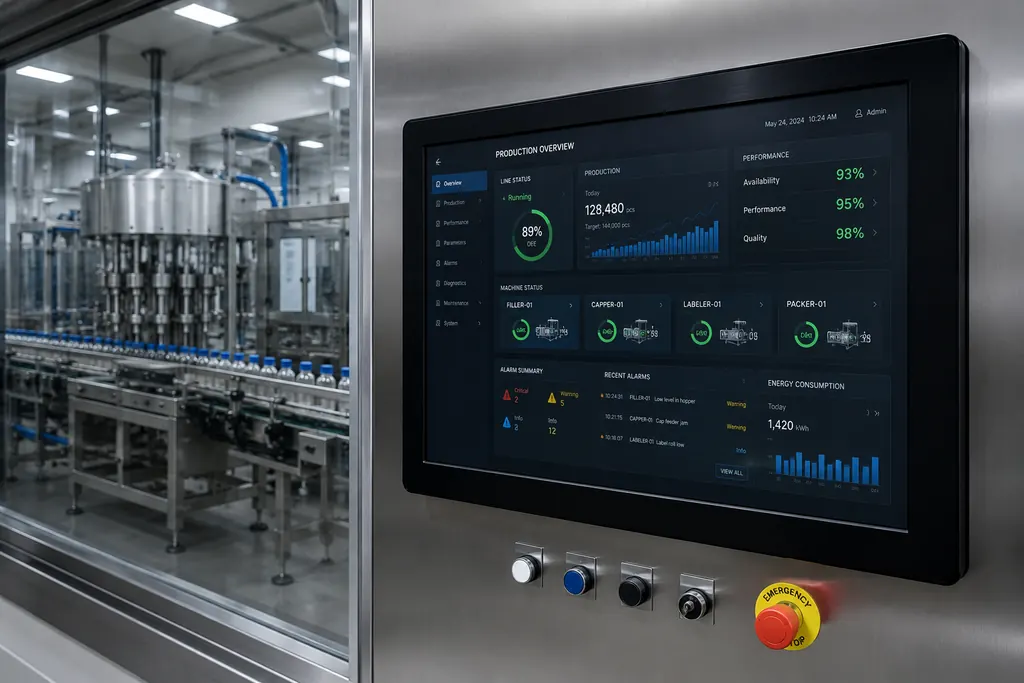
Processing and cleanroom settings need screens that clean without harbouring contaminants and survive repeated washdown. Sealed stainless steel displays hold a legible interface on production lines, in filling halls and at laboratory benches. Confirm cleaning-agent compatibility, and tell us how the line is cleaned.
Cold-chain compliance monitoring
Washdown and cleanroom control stations
Production line and process control
Quality control and inspection
Health, safety and compliance inspections
Batch and packaging line monitoring

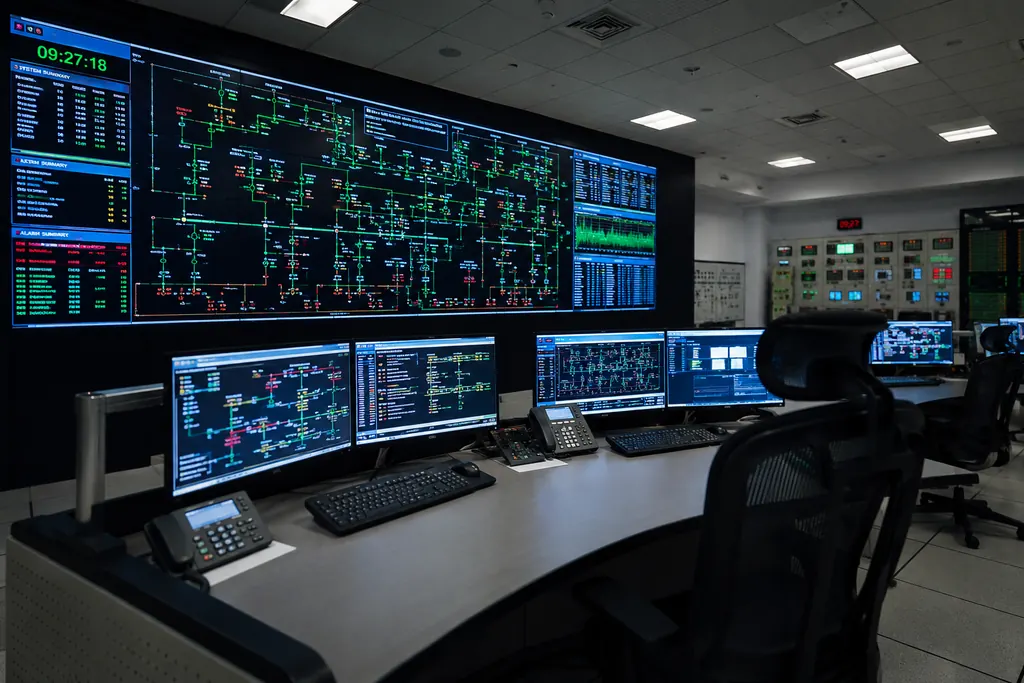
Power, water and utility sites combine outdoor exposure, vibration and continuous operation. Sealed, wide-temperature displays give dependable visuals at generation, substation and field terminals. Check the temperature range and brightness against the site, and tell us if the location is a hazardous area.
SCADA and control-room access
Substation and switchroom monitoring
Utilities inspection and meter reading
Renewable generation and plant control
Environmental monitoring and data logging
Field maintenance and diagnostics terminals
Start with where the screen will live. For outdoor, marine or vehicle use, brightness of 1,000 nits or more, with optical bonding and an anti-glare finish, helps the image stay readable in direct sunlight. A front bezel sealed to IP65 or higher keeps out spray, rain and water jets, and the rating applies once the display is correctly installed. Match the touch technology to the task: projected capacitive suits bare or lightly gloved fingers, while resistive copes with heavy gloves and any stylus. Check the temperature range for cold stores or hot cabs, and ask for MIL-STD-810 shock and vibration evidence on anything mounted in a moving vehicle or vessel, remembering that these statements come from the manufacturer. If the display goes into an area with flammable gas, vapour or combustible dust, it must be certified for the zone. Confirm the rear carries a standard VESA pattern for arm or pedestal mounting, and choose a wide-voltage input so the unit runs directly off the vehicle or vessel supply.
Answers on sealing, brightness, touch, hazardous areas, mounting and power for rugged displays. Not here? Call +44 (0)1474 240120.
A rugged display is a sealed, hardened monitor built to keep working where a commercial screen would fail, whether from washdown, salt spray, vibration, wide temperature swings or bright sunlight. A rugged display is not suitable for a hazardous atmosphere unless it is certified for the zone. Typical features are sealed stainless steel or reinforced enclosures, waterproof connectors and durable panels, so the screen survives environments that would corrode, short out or wash out an ordinary monitor.
Rugged displays are commonly sealed to IP65 or IP67, and dust-sealed enclosures are used on some chassis-mount and open-frame units. Under IEC 60529, IP65 covers dust and low-pressure water jets, while IP67 covers temporary immersion (1 m for 30 minutes). The rating applies once the display is correctly installed, and high-pressure, high-temperature washdown needs checking separately, so match the rating to how the area is cleaned.
Sunlight-readable means the panel is bright enough to stay legible under direct sun or bright ambient light, measured in nits or cd/m2. Standard office screens commonly sit around 250 to 400 nits and can wash out outdoors, while outdoor and bright-light installations generally need more, with high-bright options reaching 1,000 nits or beyond. Optical bonding and anti-glare treatments also matter, since they cut reflections and stop the image disappearing behind glare. Confirm the brightness figure against the light the screen will face on site.
It depends on gloves, wet conditions, hygiene and input precision. Resistive touch works with gloves and in wet conditions, accepts any stylus or a gloved knuckle, and costs less, but it feels less responsive. Projected capacitive multi-touch gives smooth, accurate input behind a sealed glass surface, works through water droplets and resists scratching, though basic versions can struggle with heavy gloves, so choose a panel tuned for glove mode if operators wear them. Where a screen is view-only, protection glass without touch is an option. Glove and wet performance varies by panel, so tell us how operators interact with the screen.
Yes, but only with the correct certification. Standard sealed displays are not rated for hazardous atmospheres, so a unit certified for the zone is essential where flammable gas, vapour or combustible dust may be present. In Great Britain and the EU that means ATEX or UKEX certification for the zone, often held alongside IECEx; a North American Class I Division 2 approval does not on its own cover a zone here. Touch options also need to suit the zone. Confirm the required zone, gas or dust group and temperature class against the site's area classification before deployment, and tell us so we can look at certified options.
Choose by how the display is installed. For a console, cabinet or control room, chassis-mount and stainless panel units fit with VESA or yoke mounting. For building a screen into your own equipment, a reinforced open-frame display integrates cleanly. Sealed panels suit fixed installations, including hazardous-area ones when certified. Matching the format to the installation keeps the display secure and the sealing intact.
Rugged displays commonly use waterproof M12 connectors for video and touch, which keep moisture out of the interface, or 15-pin D-Sub connectors for analogue RGB signals. Video inputs include VGA, DVI and HDMI, and other interfaces such as DisplayPort or SDI can often be matched to the source equipment with the appropriate input or adapter. Tell us the source equipment and we will confirm the interface.
Yes, if the display is sealed to a suitable rating. Sealed displays with corrosion-resistant stainless steel housings clean without letting fluids reach the electronics, and fanless sealed construction wipes down between uses. IP65 and IP66 cover water jets, and only IP67 and IP68 cover immersion. Cleaning agents vary between sites, so confirm chemical compatibility and the required rating against the detergents in use before deployment.
Yes, many can. A wide DC input, commonly 9 to 36V, suits vehicle, marine and battery-backed installations without a separate inverter. Others run from a universal auto-sensing AC input or a fixed 12V DC supply. The right display follows the power available at the installation, whether that is mains, vehicle DC or a battery supply, so tell us your supply voltage.
Sizes typically run from around 12 inches to over 50 inches, with both standard and widescreen aspect ratios, and resolutions from XGA and SXGA up to Full HD and 4K. The size follows the mounting space, the viewing distance and the resolution the task demands. Tell us the space and the content, and we will help you choose.
Some are, and the standard should be stated by the manufacturer. Rugged displays may quote shock, vibration and drop testing to MIL-STD-810, while others use vibration-tolerant, dust-sealed enclosures for industrial and moving-platform use. These are manufacturer statements, not a Rugged certification, so tell us the revision your specification needs and we will confirm it before you order. A high-vibration installation calls for displays with test evidence.
Fixed installations usually use a VESA pattern on the rear, which bolts to an articulated arm, pedestal or bracket for solid support against vibration. On boats and in cabs, look for a display with shock and vibration test evidence and a front sealed to IP65 or higher, so spray and washdown cannot get in. A wide-voltage power input then lets it run straight off the vehicle supply.
Rugged displays are sealed, hardened monitors built to stay readable where a commercial screen washes out, corrodes or shorts under washdown, salt spray, vibration and bright sun. Formats include panel-mount, open-frame and stainless steel units, with sunlight-readable brightness and glove-friendly resistive or projected capacitive touch, specified for industrial automation, marine, oil and gas, defence, food processing and utilities.
Make A Positive Move
Every deployment is different, and the wrong display costs you time and money. Tell us where the display has to work, how it is mounted and what it connects to, and we will recommend the right one. The products featured here are a selection; we supply many more formats and options, so tell us what you need.